How a Landscape Package Actually Fits Into a Construction Schedule
For a general contractor running the overall schedule, landscape is one of the last trades on site and one of the least forgiving about being rushed.
September 1, 2026 · 3 min read
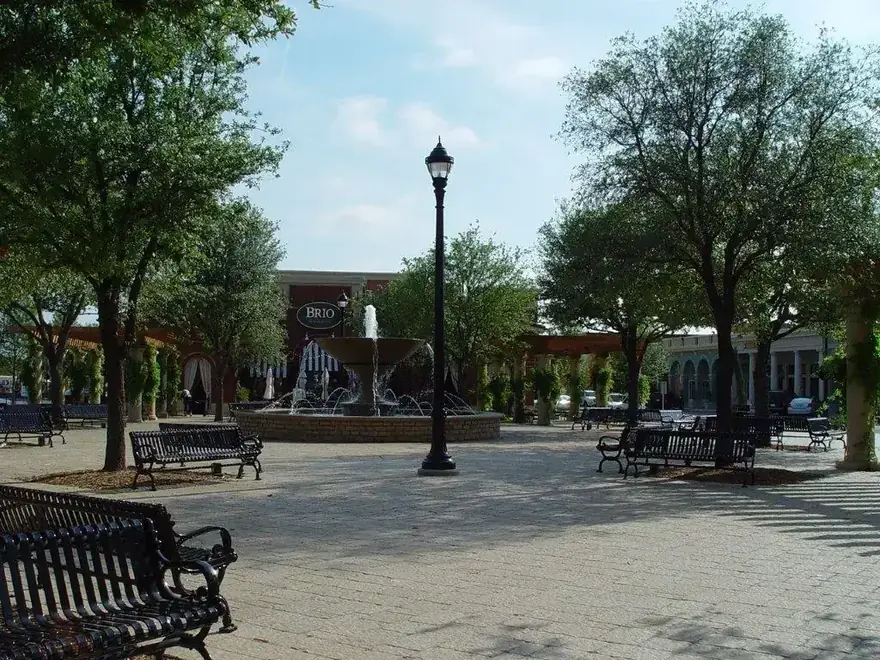
From a general contractor's seat, landscape and irrigation usually sit near the very end of a construction schedule, after the building is closed in, after paving and utilities are set, after most of the site disruption is already behind everyone else. That position in the sequence makes landscape easy to compress when a schedule slips upstream, and it is also exactly why compressing it causes problems that do not show up until well after substantial completion.
We see this pattern across every project type we bid, from land developers laying out master-planned communities to general contractors closing out a retail pad site or a school district facilities office bringing a new campus online. The building trades run into weather delays, material shortages, or inspection holds, and the schedule slack gets absorbed somewhere. Landscape sitting at the end of the line means it often absorbs more of that slack than any other trade, without the schedule ever formally acknowledging that it happened.
Preconstruction is where the real coordination happens
Long before anyone is on site with plant material, the landscape scope needs to move through the same preconstruction process as any other trade: submittals, material buyouts, and coordination with civil and irrigation design so that grading, drainage, and planting are not working against each other by the time crews mobilize. On a large commercial or institutional project, whether that is a retail development, a multi-family community, or a school district campus, this stage is where an estimator with real design background earns their keep, because they can see conflicts between the landscape plan and the civil plan before they become field problems.
Why an estimator with a design background changes outcomes
Our project estimator, Aaron Jaska, came up through a bachelor's degree in landscape architecture from Texas A&M, with an emphasis in urban planning and turf management, before moving into estimating. That combination matters specifically at the preconstruction stage, because it means the person pricing the work and sequencing it against the rest of the trades can also read a design plan the way a landscape architect reads it, and catch a gap between what the drawings show and what will actually build and establish correctly on site. That is the exact seam where design intent and field construction most often come apart on a large project.
Sequencing behind other trades without losing the establishment window
Landscape crews are working behind irrigation rough-in, behind final grading, and often behind other trades still finishing punch-list items nearby, all while turf and planting still need enough of a growing window left in the calendar to actually establish before substantial completion or before dormancy sets in. A schedule that pushes landscape into a six-week window at the very end of a project, regardless of season, is setting up turf establishment problems that will not surface as a punch-list item, they will surface as a callback the following spring.
Hardscape, drainage, and structure carry their own lead times
The hardscape and site development side, concrete flatwork, entry features, retaining walls, screenwalls, site drainage and utility work, carries its own material lead times and its own sequencing dependencies against the building trades, and those need to be locked into the master schedule early rather than treated as landscape's problem to solve after the fact. A retaining wall or a drainage structure that is supposed to tie into civil grading cannot be an afterthought squeezed in after paving is already down.
What a general contractor should ask for before the schedule locks
- A landscape and irrigation submittal timeline that matches the overall schedule, not a placeholder
- Confirmation of the turf establishment window against the actual substantial completion date
- Material lead times for hardscape elements identified before the master schedule is finalized
- A single point of contact who can speak to both the design intent and the field sequencing
A landscape package built and priced by people who understand both the design side and the construction schedule side is less likely to become the trade that gets blamed for a punch-list turf problem six months after everyone else has moved off site. Getting that coordination right at preconstruction is what makes the difference between landscape being the last trade finishing clean and landscape being the callback nobody wants over the following spring.
American Landscape Systems — (469) 521-2200
Call (469) 521-2200More articles
What Actually Changes When a Commercial Property Moves to Central Control Irrigation
For a property manager running dozens of zones across a multi-acre site, the shift from standalone clocks to a networked system changes not simply the equipment.
Specifying Turf and Planting That Actually Survives a North Texas Summer
Site conditions in the Dallas-Fort Worth area do more damage to new landscaping than the heat ever gets credit for.